
Total Knee Replacement In Dehradun
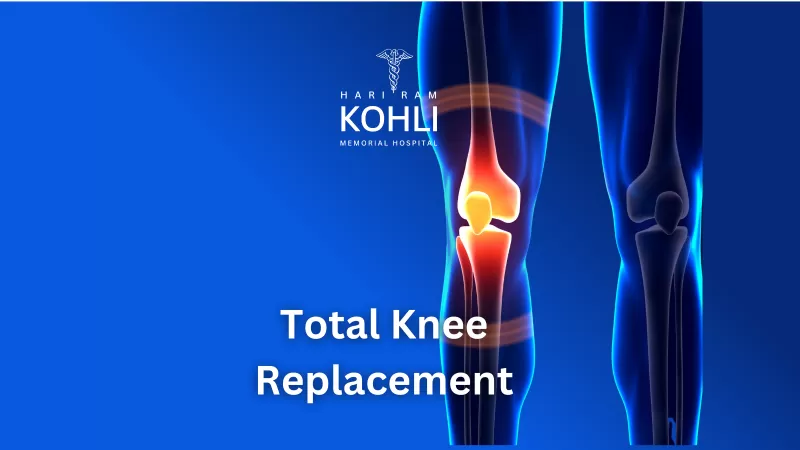
Knee pain caused by osteoarthritis, age-related wear, injury or long-standing joint degeneration can significantly affect mobility and daily activities. When symptoms progress despite medication, physiotherapy and lifestyle modification, a Total Knee Replacement (TKR) may be considered as a treatment option. Over the years, advances in surgical techniques and implant design have made knee replacement a reliable and widely performed procedure for patients with severe knee arthritis.
When is Total Knee Replacement Recommended?
A knee replacement may be advised when:
-
Knee pain persists despite conservative treatment
-
Movements such as walking, climbing stairs or sitting become difficult
-
There is stiffness, deformity or reduced range of motion
-
X-rays show advanced osteoarthritis or joint damage
-
Pain begins to affect sleep, work or daily functioning
The decision for surgery is based on clinical examination, imaging findings and the patient’s level of discomfort.
What options may be discussed before knee replacement?
A knee replacement is not the only treatment for knee pain. Depending on the diagnosis, a consultation may include discussion of physiotherapy and strengthening, suitable low-impact activity, walking aids, weight management where appropriate, and pain-relief treatment. Some patients may be offered an injection or another treatment after assessment.
The choice is not based on an X-ray alone. Symptoms, examination findings, previous treatment, daily activities and general health all matter. Ask what alternatives remain reasonable, what improvement they might offer, and what the advantages and disadvantages of surgery would be in your circumstances. A consultation does not commit you to an operation.
What Happens in a Total Knee Replacement?
In TKR, the damaged surfaces of the knee joint are removed and replaced with a prosthetic implant made of biocompatible materials. The goal is to restore smooth, stable movement of the knee. The procedure is typically performed under spinal anaesthesia, and patients are encouraged to begin mobilisation soon after surgery based on clinical assessment.
Potential Benefits of Total Knee Replacement
1. Reduction in Pain
Chronic knee pain from arthritis can be limiting. Replacing worn-out joint surfaces can help reduce the discomfort that interferes with daily activities.
2. Improved Movement and Function
Many patients experience improved ability to walk, climb stairs and perform routine tasks that were difficult earlier due to pain or stiffness.
3. Better Quality of Life
Reduced pain and increased mobility often allow patients to resume activities they had stopped, contributing to better physical and emotional wellbeing.
4. Durable Outcome
Modern implants are designed for long-term use. Outcomes depend on multiple factors, including bone quality, alignment, rehabilitation and general health.
Risks and limitations of total knee replacement
Knee replacement aims to improve pain and everyday function, but it cannot guarantee a pain-free knee or unrestricted activity. Possible complications include infection, blood clots, ongoing pain, stiffness or instability, and injury to nearby nerves or blood vessels. Some problems can require additional treatment or surgery.
Implants can wear or loosen over time. Individual risk and recovery differ, so the discussion should include both the expected benefits and the limitations that matter to you. Your clinical team can explain how your health affects the plan and what measures may be used to reduce risk.
Recovery and Rehabilitation
Rehabilitation is an essential part of knee replacement care.
Patients are encouraged to:
-
Perform guided physiotherapy
-
Gradually increase walking distance
-
Follow weight-bearing instructions
-
Attend scheduled follow-up visits
Recovery varies from person to person, but most patients notice steady improvement over the weeks following surgery.
Questions to ask when planning your consultation
Useful questions include:
- What is causing my knee pain, and how does the examination relate to the imaging?
- Which nonsurgical options are appropriate, and why is replacement being considered?
- What improvement is realistic for walking, stairs and the activities important to me?
- What are my individual risks, and what preparation is needed?
- How will physiotherapy, walking support, help at home and follow-up be organised?
- When will activities such as driving or returning to work be reassessed?
Recovery is a process rather than a fixed deadline. The answers should reflect the individual assessment and agreed rehabilitation plan.
Our Approach at Hari Ram Kohli Memorial Hospital
The orthopaedic team provides:
-
Pre-operative evaluation and counselling
-
Guidance on implant selection and anaesthesia planning
-
Post-operative monitoring
-
Physiotherapy and rehabilitation pathways
Care is individualised based on clinical condition, goals and overall health status.
Considering Knee Replacement?
If you have persistent knee pain that affects your day-to-day activities, a consultation can help determine whether knee replacement is appropriate for you. Our orthopaedic team will evaluate your symptoms, review imaging results and discuss suitable treatment options.
View our orthopaedic doctors' profiles: Dr. Harish Kohli and Dr. Tushar Kohli.
Appointments are recommended to help reduce waiting. Walk-ins are welcome.
Further reading
Have questions?
If you have any queries we are here to resolve them.
You can leave us a message and we will get back asap.